

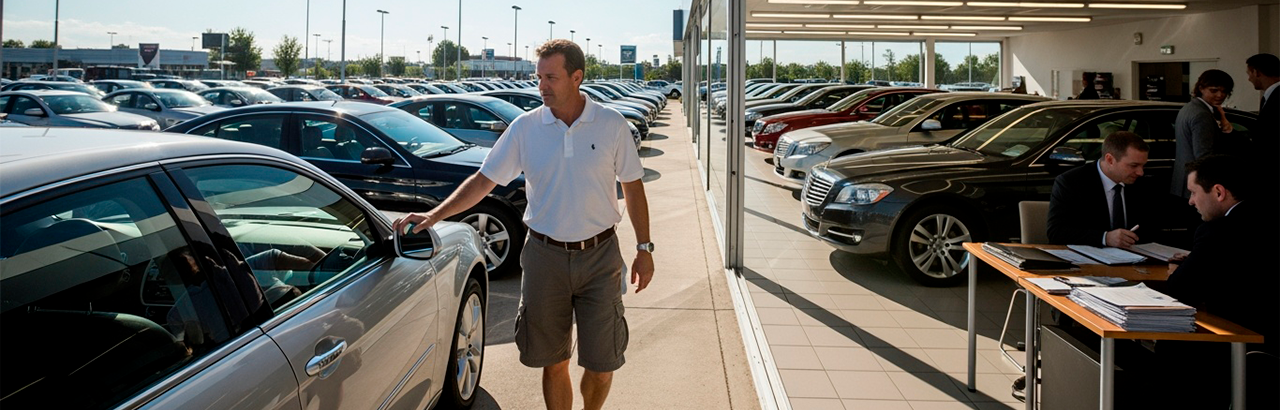
Buying a used car is one of the biggest purchases most people make. A thorough test drive is your best chance to avoid a costly mistake — and for drivers in Columbus and Central Ohio, the stakes are even higher. Our roads put cars through a real workout: winter ice and snow on I-270, spring potholes on High Street, and summer stop-and-go traffic between Polaris and Easton. You need a car that can handle all of it. Ricart Used Car Factory, one of the nation's top-volume pre-owned dealers and a Central Ohio institution since 1953, put together this checklist to help you drive with confidence and buy smart.
Key Takeaways (TL; DR)
Pre-Drive Inspection First: Walk around the car completely before you ever turn the key. Check for rust, uneven body panels, and tire wear patterns that can signal bigger problems.
Run a Vehicle History Report: Pull a CARFAX or similar report before the test drive to spot accidents, flood damage, or odometer rollbacks. It only takes a few minutes and can save you thousands.
Test on Roads You Actually Use: Don't just circle a parking lot — drive on a highway like I-270 or I-71 and find a few rough side streets to mimic real Columbus driving conditions.
Listen for Odd Noises: Cold starts, braking on an uneven surface, and highway speeds can each reveal different mechanical problems. Use your ears, not just your eyes.
Check Climate Systems Thoroughly: Central Ohio summers hit the 90s and winters regularly drop below freezing. Test the heat, A/C, defroster, and heated seats before signing anything.
Verify Safety Features Work: Modern driver-assist features like blind-spot monitoring, lane-keep assist, and automatic emergency braking should function correctly. Check for any warning lights on the dash.
Why Does the Test Drive Matter More Than You Think?
A test drive reveals what a listing photo and a price tag never can. The way a car feels at 65 mph on I-71 North tells a completely different story than how it looks sitting on a lot.
Many buyers rush the test drive or skip parts of it entirely. That's how people end up with a car that shakes on the highway, pulls to the left in the rain, or blasts cold air when they need heat in January.
Think of the test drive as your personal inspection. Every mile you drive is data.
What Should You Check Before You Even Start the Car?
Start with a full walkaround — you should be able to spot red flags before the engine turns over.
Walk every side of the vehicle in good lighting. You're looking for:
Rust spots: Pay close attention to the wheel wells, rocker panels, and underside. Ohio's road salt from Columbus winters does real damage over time.
Paint mismatches: Slight color differences between panels can mean a body repair after a collision.
Uneven panel gaps: If the hood or door gaps look inconsistent, the car may have been in an accident.
Tire wear: Uneven tread wear — worn on one side but not the other — can point to alignment or suspension problems.
Fluid leaks: Check under the car for oil, coolant, or transmission fluid spots on the pavement.
Before you drive, also pull a vehicle history report through CARFAX or a similar service. This gives you accident history, service records, and any reported flood or hail damage — which matters in Central Ohio, where severe spring and summer storms can cause significant damage.
How Should You Start the Test Drive?
The first few minutes of a cold start can reveal more than the rest of the drive combined.
If the dealer warms up the car before you arrive, ask to come back when it's cold or turn it off and restart it yourself. A cold start shows you:
Rough idle or shaking: This can signal worn spark plugs, a vacuum leak, or engine wear.
Unusual smoke from the exhaust: Blue smoke suggests burning oil; white smoke can mean coolant is leaking into the engine.
Warning lights: Dashboard lights should illuminate briefly and then go off. If a light stays on — check engine, ABS, TPMS — ask why before driving.
Also check the NHTSA recall database to see if the vehicle has any open safety recalls. It's free, takes two minutes, and could be the most important step you take.
What Should You Test on Columbus Roads Specifically?
Central Ohio driving conditions are more demanding than many people realize — your test drive route should reflect that.
Don't just drive in a straight line. Columbus streets and highways will tell you exactly what this car can handle.
Highway Driving: I-270, I-71, and I-70
Take the car up to highway speeds — at least 65–70 mph. On the highway, you're feeling for:
Vibration in the steering wheel (could mean unbalanced tires or worn wheel bearings)
Pulling to one side (alignment issue, or uneven tire pressure)
Wind noise or rattling (door seals, windows, or trim panels)
The I-270 Outerbelt sees heavy truck traffic that tears up the pavement. I-70 near downtown Columbus has lane changes, construction patches, and varying speeds. These are real conditions — use them.
Surface Streets and Pothole Tests
Columbus is no stranger to winter road damage. The freeze-thaw cycle that hits Central Ohio every year creates potholes that can reveal weak suspension components in a hurry.
Try to drive on a rougher side street — near the Short North, Franklinton, or older neighborhoods in Groveport and the South Side. Listen and feel for:
Clunking or knocking when going over bumps (worn struts or ball joints)
Loose or wobbly steering feel over uneven pavement
Rattling from inside the cabin (loose trim pieces or a cluttered trunk area)
Stop-and-Go Traffic Patterns
Columbus traffic near Easton, Polaris, or the Dublin/US-33 corridor during peak hours creates real stop-and-go conditions. Even a short drive around these areas during a busy time will show you:
How smooth the transmission shifts (jerky shifts can mean worn or slipping transmission)
Whether the brakes feel firm or soft (a spongy brake pedal is a warning sign)
How the engine responds at low speeds and during repeated acceleration
What Sounds Are Warning Signs During a Test Drive?
Certain noises are easy to miss when you're distracted, so drive with the radio off at first.
Here's what to listen for and what it might mean:
Squealing brakes: Often means worn brake pads that need replacement soon.
Grinding when braking: A more serious sign — could mean metal-on-metal contact between the caliper and rotor.
Clunking when turning: May indicate worn CV axle joints or a failing wheel bearing.
Clicking or ticking at idle: Can point to low oil pressure or valve train wear.
Whining from under the hood: Power steering pump or transmission issues can sound like this.
You can research typical issues for specific models using resources like Edmunds or Kelley Blue Book before you shop. Both sites offer owner reviews that mention common mechanical complaints by model.
How Do Columbus Weather Conditions Affect What Car You Should Buy?
Central Ohio's four-season climate means your used car needs to handle very different demands throughout the year.
Columbus averages around 28 inches of snow per year, with temperatures regularly dropping below 20°F in January and February. Summers push into the low 90s, and spring storms can bring heavy rain and hail.
Here's what to think about by season:
Winter: Look for a car with strong heat, a functional defroster (front and rear), and good traction. All-wheel-drive or front-wheel-drive SUVs — like the Toyota RAV4, Honda CR-V, or Subaru Outback — tend to handle Ohio winters well.
Spring: The thaw creates rough road conditions. Test suspension carefully. Check tire tread depth — Ohio law requires at least 2/32 of an inch, but 4/32 or more is safer on wet roads.
Summer: Test the A/C hard. A full blast of cold air on a hot day matters when you're sitting in traffic on I-71 headed to a Clippers game at Huntington Park or making an airport run on I-670.
Everyday commuting: If you're making a daily run from Hilliard or Groveport into downtown Columbus, fuel efficiency and driver comfort matter just as much as four-wheel drive.
You can check current pricing ranges for weather-appropriate vehicles using Cars.com or AutoTrader to compare what's available locally before visiting a dealership.
What Should You Evaluate Inside the Cabin?
The interior condition tells you a lot about how the previous owner treated the vehicle.
Check these areas closely:
Seat wear and fabric condition: Excessive wear can indicate high actual mileage, even if the odometer reading seems low.
Odors: Musty smells can mean water intrusion; a strong chemical smell might mean someone recently cleaned up a problem.
All power features: Test every window, lock, mirror, and seat adjustment. These small electrical failures can be expensive to fix.
Infotainment and connectivity: Make sure the screen, Bluetooth, backup camera, and any driver-assist displays work correctly.
Climate controls: Run the heat and A/C to their extremes. A working defroster is not optional for a Columbus winter.
Frequently Asked Questions (FAQs)
How long should a used car test drive be?
Most experts recommend at least 20–30 minutes. That's enough time to test highway speeds, surface streets, and stop-and-go traffic.
Should I bring a mechanic to a used car test drive?
If you're seriously considering a vehicle, having a trusted mechanic do a pre-purchase inspection is always a smart move. Many shops offer this service for a small fee.
What should I do if the dealer won't let me test drive the car?
A reputable dealer will always allow a reasonable test drive — if a seller refuses, that's a clear warning sign and you should walk away. Never purchase a used vehicle without driving it first.
Can I take the car on the highway during a test drive?
Yes, and you should. Highway driving at normal speeds helps you detect vibrations, noise, and handling issues that a slow neighborhood loop won't reveal.
About Ricart Used Car Factory
Ricart Used Car Factory was founded on July 4, 1953, and has grown into one of the nation's top-volume pre-owned dealerships while remaining a family-owned business rooted in Central Ohio. The dealership proudly serves drivers across the Columbus metro area, including Groveport, Hilliard, Dublin, and beyond, offering one of the largest selections of pre-owned vehicles in the region. Every vehicle in inventory undergoes a rigorous multi-point inspection by certified technicians to ensure quality and safety before it reaches the lot. Ricart Used Car Factory also stands behind its sales with a 72-hour vehicle exchange policy, giving buyers true peace of mind after the purchase. Deeply committed to its community, the dealership focuses its charitable efforts on three pillars — family, veterans, and education — making it more than just a place to buy a car.