Blog

Why Buy a Used Jeep-brand SUV from Ricart?

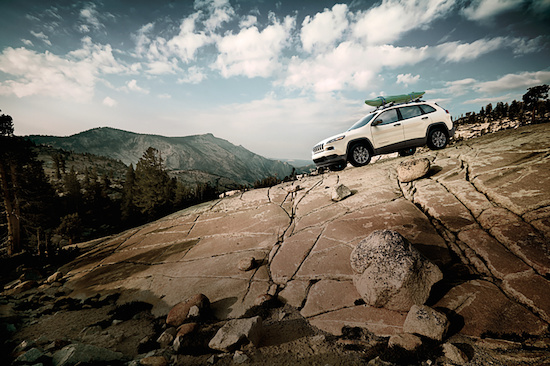
A white SUV with surfboards on top is parked on a rocky, sloped terrain under a cloudy sky. Mountainous landscape and coniferous trees in the background.

Drivers from across Columbus know that Ricart Used Car Factory is the dealership they need to go to harness the Jeep-brand tradition of adventurous off-road performance, ground-breaking onboard technology and lasting durability for less. Why? Because we've been proudly serving greater-Columbus' pre-owned Jeep-brand SUV and crossover needs for years.

  • Selection: From recent model year Jeep Cherokee, Jeep Grand Cherokee, and Jeep Patriot, Ricart Used Car Factory offers you one of the region's most robust pre-owned Jeep-brand SUV selections. Whether you're looking for a vehicle to make your commute more exciting or to liven up your family travels, we have the pre-owned Jeep-brand vehicle that can make it happen.
  • Affordability: Our robust selection allows us to offer some of greater-Ohio's most competitive pre-owned Jeep-brand vehicle pricing. Best of all, we work with a nationwide network of banks and lending institutions to get you the right finance package on the vehicle you want most.
  • With You for Every Adventure: Our on-site parts and service center knows your pre-owned Jeep-brand vehicle inside and out, and will be here to tend to all of its routine maintenance, customization, and emergency repair needs throughout the duration of your ownership.

Visit Ricart Used Car Factory this week to test drive one of our pre-owned Jeep-brand vehicles and start the new year with a new sense of excitement.

Recommended Posts

buy-sell8

The Sweet Spot on Wheels: Why 4-to-5-Year-Old Used Cars Win Every Time for Columbus Drivers

Buying a used car can feel overwhelming, especially when prices seem high no matter where you look. But there is one slice of the market where smart Columbus-area drivers are finding real value right now: vehicles that are 4 to 5 years old. These cars have already taken their biggest hit in depreciation, yet they still have plenty of life, modern features, and affordable ownership costs ahead. Whether you are merging onto I-270 during rush hour, making school runs through Hilliard, or hauling gear to a tailgate near Ohio Stadium, these vehicles are built for your life. Ricart Used Car Factory, a family-owned Central Ohio staple since 1953 and the largest used-car dealer in the country, brings deep expertise in inspecting, reconditioning, and matching Columbus drivers with the right pre-owned vehicle for their needs. Key Takeaways (TL; DR) Sweet Spot for Savings: Vehicles aged 4 to 5 years have absorbed the steepest depreciation drop, often losing 40 to 50 percent of their original sticker price. Modern Tech Still Intact: Cars from this era typically include Apple CarPlay, Android Auto, blind-spot monitoring, and lane-keep assist — features that matter on busy Central Ohio highways. Ohio Weather Demands Smart Choices: Columbus drivers deal with icy winters, spring potholes, and summer heat. AWD crossovers and all-season-capable SUVs from this age range handle all of it. Lower Insurance Costs: Older model years generally carry lower insurance premiums than brand-new vehicles, keeping your monthly budget in check. Certified Pre-Owned Options: Many 4-to-5-year-old vehicles still qualify for Certified Pre-Owned programs, giving buyers warranty protection and peace of mind. History Reports Are Your Friend: Use a vehicle history report from CARFAX to verify ownership, accident history, and service records before you buy. Ohio Registration Made Simple: The Ohio BMV makes titling and registering your used vehicle straightforward for Columbus-area residents. Why Do 4-to-5-Year-Old Used Cars Offer the Best Value Right Now? The value argument is simple: a new car can lose close to 20 percent of its value the moment it leaves the lot, and as much as 40 to 50 percent within the first three to four years. When you buy a vehicle in that 4-to-5-year window, someone else has already absorbed that loss. You pay a price that reflects the car's real-world worth — not its showroom premium. At the same time, vehicles in this age range are not old. Most will have tens of thousands of miles left on their engines, transmissions, and key systems. Manufacturer warranties may have expired, but Certified Pre-Owned programs from many brands extend coverage. And because these models are just a few years removed from production, parts, service, and repair knowledge are widely available — keeping future maintenance costs manageable. For Columbus drivers, that combination is powerful. The cost of ownership is lower, the technology is current, and the vehicles are proven on real roads — including the ones you drive every day. How Much Can You Actually Save Compared to Buying New? According to data tracked by Kelley Blue Book, a vehicle that originally sold for $35,000 new may now list for $19,000 to $23,000 in the 4-to-5-year-old range, depending on mileage, trim, and condition. That is a potential savings of $12,000 or more — money that stays in your pocket, builds your emergency fund, or covers years of maintenance. When you factor in lower insurance premiums on older model years and reduced registration fees through the Ohio BMV, the monthly ownership cost drops even further. What Do Columbus Roads and Ohio Weather Demand From a Used Vehicle? Columbus sits at a crossroads — literally. Drivers here deal with the intersection of I-70 and I-71 right through downtown, the I-270 outer belt circling the metro, the busy US-33 corridor toward Dublin and beyond, and local routes connecting Groveport, Westerville, Grove City, and Hilliard to the city core. Traffic picks up during Ohio State home games, concert nights at Nationwide Arena, and the daily grind of rush-hour merges near the I-71/I-270 interchange. Ohio weather adds another layer of challenge. Winters bring ice, snow, and the dreaded freeze-thaw cycle that turns Central Ohio roads into pothole mazes by February. Spring rains test drainage and traction. Summer heat can push cabin temperatures sky-high during afternoon commutes or airport pickups near John Glenn Columbus International Airport, just east of downtown on I-670. The right vehicle for this environment needs to handle all of it with confidence. Which Vehicle Types Work Best for Central Ohio Commuters? AWD Crossovers: All-wheel drive is a genuine asset on icy ramps around I-270 and snowy subdivision streets in Hilliard, Powell, and Pickerington. Compact and midsize AWD crossovers in the 4-to-5-year-old range offer ground clearance, traction control, and modern safety features — all without the fuel cost of a full-size truck. Hybrid Sedans and Crossovers: Columbus commuters who sit in stop-and-go traffic on I-71 or US-23 can see real fuel savings with a hybrid powertrain. Hybrids from this age range have proven battery reliability and are now widely available at accessible price points. Midsize SUVs for Families: Families running kids to Hilliard Davidson or Grove City High School, loading up for Crew SC tailgates, or heading south on US-23 for weekend getaways need cargo room and seating flexibility. A 4-to-5-year-old midsize SUV delivers that without a new-car payment. Fuel-Efficient Sedans for Highway Miles: Drivers who log consistent highway miles on I-270 or I-71 toward downtown will find that a reliable midsize sedan in this age range offers low cost-per-mile and strong long-term durability. How Does Ohio's Freeze-Thaw Cycle Affect What You Should Buy? Central Ohio's pothole season is no joke. The repeated freeze and thaw of pavement from December through March creates some of the roughest road surfaces in the Midwest. When you shop for a 4-to-5-year-old vehicle, it is worth reviewing a CARFAX report for any suspension repairs or alignment history. Vehicles with good ground clearance and solid suspension geometry handle these road conditions better over the long haul. Always check tire condition and ask about any prior alignment work — especially on vehicles that may have been driven regularly on routes like Hamilton Road, Broad Street, or the notorious stretch of SR-161 through New Albany. Are 4-to-5-Year-Old Used Cars Still Loaded with Modern Features? Yes — and this is one of the most underappreciated advantages of this age range. Vehicles built four or five years ago were produced at a time when manufacturers were rolling out significant technology upgrades across nearly every segment. That means you are likely to find: Touchscreen Infotainment: Most vehicles from this era include smartphone integration with Apple CarPlay and Android Auto as standard or available features. Driver Assistance Technology: Blind-spot monitoring, rear cross-traffic alert, forward collision warning, and automatic emergency braking became widespread in this production window. Fuel Efficiency Improvements: Engine and transmission technology improved sharply in this period, with many models achieving highway ratings in the upper 30s MPG — useful for Columbus commuters burning miles on I-70 or the outer belt. Comfortable, Well-Equipped Interiors: Heated seats, dual-zone climate control, and wireless charging are common finds in mid-trim models of this age, making daily commutes through Ohio winters far more comfortable. Reliability data from Consumer Reports consistently shows that vehicles tend to reach their reliability peak in the three-to-six-year window, after early production quirks have been resolved and before significant age-related wear sets in. That positions 4-to-5-year-old models squarely in the reliability sweet spot. How Do You Check If a Used Car Is Safe Before Buying? Safety should be your first filter, not an afterthought. Before you commit to any used vehicle, take these steps: Pull a Vehicle History Report: CARFAX lets you review accidents, title changes, odometer readings, and service history in one place. A clean history report on a Columbus-area vehicle — especially one that has seen highway miles on I-270 — is a strong green flag. Check for Open Recalls: Visit NHTSA's website and enter the VIN to see if any open safety recalls exist. Recalls on 4-to-5-year-old vehicles are common, but most are free to fix at a dealership. Always confirm recall status before finalizing a purchase. Request a Pre-Purchase Inspection: Even if a dealership has already done a multi-point inspection, an independent review from a trusted mechanic can provide additional peace of mind — especially for higher-mileage examples. Verify Safety Ratings: NHTSA and the Insurance Institute for Highway Safety (IIHS) publish crash test ratings by model year. Checking ratings for the specific year you are considering ensures you know exactly what level of protection you are getting. What Should Columbus-Area Buyers Look for in This Age Range? Shopping strategy matters as much as the vehicle itself. Here is a focused checklist for Central Ohio buyers: Prioritize AWD or 4WD for Winter Readiness: Given Columbus winters, a vehicle with all-wheel drive adds real safety value on the morning commute after an overnight snowfall on I-71 or the I-270 outer belt. Watch the Mileage-to-Year Ratio: A Columbus commuter averaging 15,000 miles per year on a 5-year-old vehicle would show roughly 75,000 miles. That is normal wear. Be more cautious about vehicles significantly above that threshold without documented maintenance. Look for Remaining Powertrain Warranty Coverage: Some manufacturers offer 5-year or 60,000-mile powertrain warranties. A 4-year-old vehicle with low mileage may still have coverage remaining — giving you a bridge while you build confidence in the car. Consider Total Cost of Ownership: Use Kelley Blue Book's 5-year cost-to-own tools to estimate insurance, maintenance, fuel, and depreciation for specific models before you buy. This prevents sticker shock down the road. Review Ohio Title and Registration Requirements: Once you have selected a vehicle, the Ohio BMV provides all the information you need on titling, registration fees, and plate options for Ohio residents. Frequently Asked Questions (FAQs) What is the best age to buy a used car for value? Most automotive experts point to the 3-to-5-year range as the ideal window for used car value, because the sharpest depreciation has already occurred while the vehicle still has many reliable miles ahead. Checking current pricing on a tool like Kelley Blue Book can help you find the best deal within that window for a specific model. How do I know if a used car has been in an accident? The fastest way is to pull a vehicle history report through CARFAX using the car's VIN, which reveals reported accidents, airbag deployments, and title issues. You should also look for uneven panel gaps, mismatched paint, and signs of frame repair during an in-person inspection. Is it worth buying a certified pre-owned vehicle? Certified Pre-Owned vehicles go through a manufacturer-approved inspection process and come with extended warranty coverage, making them a lower-risk option compared to standard used cars. The added cost is often worth it for buyers who want warranty peace of mind without paying the full price of a new vehicle. What should I check before buying a used car? Always review the vehicle history report, check for open recalls on the NHTSA website, inspect the tires and brakes, and ideally have the car inspected by an independent mechanic. Confirming the title is clean through the Ohio BMV is also an important final step for Ohio buyers. About Ricart Used Car Factory Ricart Used Car Factory has been a trusted name in Central Ohio since its founding on July 4, 1953, making it one of the longest-running family-owned automotive businesses in the region. The dealership has grown into the number one volume single location used car dealer in the entire nation, serving drivers throughout Columbus, Groveport, Hilliard, and surrounding communities. Every vehicle in the Ricart Used Car Factory inventory undergoes a rigorous multi-point inspection and reconditioning process, ensuring that customers drive away with confidence in what they are buying. The company is deeply committed to giving back to the communities it serves, with longstanding charitable support focused on family, veterans, and education throughout Central Ohio. Ricart Used Car Factory's seven decades of honest business and community involvement make it a uniquely qualified resource for Columbus-area drivers navigating today's used car market.

Buy-sell-truck6

Smart, Confident, and Ready to Roll: Your Complete Guide to Buying a Used Vehicle in Central Ohio

Buying a used vehicle is one of the biggest financial decisions most people make — and here in Central Ohio, it comes with its own set of real-world challenges. From navigating icy stretches of I-270 in January to hauling gear through the construction zones on US-33, the right vehicle makes a genuine difference in your daily life. This guide walks you through every step of the process, from setting your budget to signing your Ohio title paperwork, so you can feel informed and confident at every turn. Ricart Used Car Factory, a family-owned dealership rooted in Central Ohio since 1953, has helped generations of Columbus-area drivers find the right vehicle — drawing on a massive used inventory, rigorous multi-point inspections, same-day financing options, and a 72-hour exchange policy that puts your confidence first. Key Takeaways (TL; DR) Set a Real Budget First: Factor in insurance, fuel, taxes, and maintenance costs — not just the sticker price — before you start shopping. Match Your Vehicle to Ohio's Roads: Central Ohio winters, freeze-thaw potholes, and heavy interstate traffic make AWD, good ground clearance, and driver-assist features worth prioritizing. Always Pull a Vehicle History Report: A CARFAX or similar report reveals accidents, flood damage, title issues, and odometer problems before you commit. Research Fair Market Value First: Tools like Kelley Blue Book and Edmunds let you verify whether a price is fair before you negotiate. Inspect and Test Drive Before Buying: A pre-purchase inspection by an independent mechanic can save you thousands in surprise repair bills down the road. Understand Ohio's Registration Process: Ohio titles are handled through the county BMV, and you typically have 30 days to register a newly purchased vehicle. Check Safety Ratings and Recalls: The NHTSA website lets you search any VIN for open safety recalls — free of charge. Verify the Seller's Reputation: Whether you buy from a dealer or a private party, checking a business on BBB.org adds an extra layer of confidence. How Much Should You Spend on a Used Vehicle? The answer depends on more than just a monthly payment. Before you search a single listing, you need to know your full cost of ownership — not just the purchase price. What Goes Into Your True Monthly Cost? Many buyers focus only on the loan payment, but the real number includes several more line items: Purchase price and taxes: Ohio levies a sales tax on vehicle purchases, currently assessed at your county rate. In Franklin County, that's 7.5%. Title and registration fees: Plan for the county BMV title fee plus annual registration costs, which vary by vehicle weight and county. Documentation fee: Ohio dealers may charge a document preparation fee. Factor this in when comparing total deal costs. Insurance: Full coverage on a used vehicle can range widely. Get quotes before you finalize your vehicle choice, since body style and vehicle age both affect premiums. Fuel costs: A used pickup truck like a Ford F-150 and a used Honda Civic have dramatically different fuel bills. For Central Ohio commuters doing daily runs on I-71 or I-270, fuel economy deserves serious attention. Maintenance: Older vehicles, or those with high mileage, may need tires, brakes, or other work shortly after purchase. Budget a buffer of at least $500–$1,000. A practical rule of thumb many financial advisors suggest: keep your total vehicle expenses (loan, insurance, fuel, maintenance) at or below 15–20% of your monthly take-home pay. Which Body Style Makes the Most Sense for Central Ohio Roads? The right body style depends on how and where you drive. Columbus and its surrounding communities offer a mix of urban stop-and-go, high-speed interstate miles, and suburban back roads — each with different demands. How Does Ohio Weather Shape Your Vehicle Choice? Central Ohio gets real winter. Columbus averages around 28 inches of snow per year, and the region regularly sees ice storms that can coat I-70 and I-270 with a dangerous glaze overnight. Spring and fall bring heavy rain, and the freeze-thaw cycle from November through March is brutal on pavement. Roads around Groveport, Hilliard, and the airport corridor along I-270 can go from clear to icy in hours. With that in mind, here's how different body styles stack up for local drivers: Compact SUVs and Crossovers: Models like the Honda CR-V, Toyota RAV4, Mazda CX-5, Hyundai Tucson, and Chevrolet Equinox offer available AWD, decent ground clearance, and good visibility. They're a practical choice for drivers who commute on major interstates and still want cargo space for Easton shopping runs or Buckeye tailgate gear. Midsize and Full-Size SUVs: The Kia Telluride and similar three-row SUVs work well for families in Dublin, Gahanna, or Reynoldsburg who need seating for more passengers. Higher ground clearance helps on unplowed side streets. Sedans: A Toyota Camry or Honda Civic is a smart pick for city drivers or those primarily on cleared main roads. Front-wheel drive sedans handle well in light snow with quality winter tires, though they're less forgiving on unpaved lots or deeply rutted streets after a storm. Pickup Trucks: A used Ford F-150 or similar full-size truck offers exceptional towing and utility, and rear-wheel-drive trucks can struggle in snow without added weight or snow tires. Look for 4WD versions if you'll be driving through unplowed neighborhoods. Minivans: The Toyota Sienna comes standard with FWD across most trims, making it one of the most winter-capable family haulers you can buy — a point worth noting for parents in outer-ring suburbs with longer school commutes. What About Columbus-Area Commuting Conditions? Daily commutes in this region are uniquely demanding. The I-270 Outerbelt is one of the busiest ring roads in the Midwest, and peak-hour traffic between the Morse Road interchange and I-71 South can crawl. US-33 through Canal Winchester and toward the Hocking Hills region means transitioning from highway speeds to two-lane country roads quickly. Hamilton Road, running through Groveport and Whitehall, handles heavy local commercial traffic and is prone to significant pothole damage after winter. Driver-assist features — forward collision warning, automatic emergency braking, lane-keep assist, and blind-spot monitoring — add real value on these congested stretches. When shopping for a used vehicle, look for models equipped with these safety technologies, which became more common across many brands starting in the 2019–2021 model years. How Do You Research a Used Car's Value and History? Start your research online before you visit a single lot. Two to three hours of homework can save you thousands of dollars. Where Do You Find Reliable Pricing Data? Kelley Blue Book and Edmunds are the two most widely used and trusted pricing tools in the industry. Both let you enter a vehicle's year, make, model, mileage, condition, and zip code to generate a fair market range. Use both sites and compare. If a listing price falls well above either range, you have solid grounds to negotiate — or to walk away. A few tips for accurate research: Use your zip code: Prices vary by region. Columbus-area pricing may differ from national averages. Factor in mileage carefully: Ohio highway miles (long, steady stretches on I-71) are generally easier on a drivetrain than city miles with constant starts and stops. Check multiple listings: Search similar vehicles on several platforms to understand what the local market actually looks like right now. Why Is a Vehicle History Report Non-Negotiable? A vehicle history report from CARFAX or a similar provider gives you a window into a car's past. You'll see: Accident and damage history: Including whether airbags deployed, which affects structural integrity. Title status: Salvage, rebuilt, and flood titles are serious red flags. Ohio sees flooding in low-lying areas around Alum Creek and the Scioto River watershed — flood damage can be a real concern in this region. Odometer readings over time: Rollbacks are rare but do happen on older vehicles. Number of previous owners: Fewer owners generally means a more traceable maintenance history. Service records: Some vehicles show documented oil changes and inspections. Never skip this step. A report costs far less than a surprise transmission failure six months after purchase. What Should You Inspect Before Buying a Used Vehicle? A careful inspection protects you from costly surprises. Even a vehicle that looks great on the outside can have hidden issues. What Can You Check Yourself? You don't need to be a mechanic to catch obvious problems. Here's what to look at before you ever take a test drive: Body panels and paint: Look for uneven panel gaps, mismatched paint color or texture, or overspray near trim pieces. These can indicate past collision repairs. Rust and corrosion: Ohio's road salt is aggressive. Check underneath the vehicle, around wheel wells, and along the rocker panels. Surface rust on brake rotors is normal after rain, but structural rust is a different story. Tires: Look for even tread wear across all four tires. Uneven wear on the inside or outside edges suggests alignment or suspension issues. Fluid leaks: Walk around the car and look underneath for puddles or staining on the ground. Glass and lights: Cracks, chips, and non-working lights are small repairs that add up quickly. Should You Pay for a Pre-Purchase Inspection? Yes — strongly consider it. Having an independent mechanic perform a pre-purchase inspection (PPI) before finalizing a private-party sale is one of the smartest $100–$150 you can spend. A PPI can reveal worn brake pads, leaking gaskets, suspension wear, or emissions system issues that wouldn't be obvious during a test drive. Before visiting a shop, you can also run any VIN through NHTSA's recall database to check for open safety recalls. If recalls exist and haven't been repaired, the seller or dealer may be responsible for completing them — or you can use them as a negotiating point. How Should You Test Drive a Used Car in Columbus? A test drive is your best diagnostic tool. Plan a route that mirrors your actual daily driving. What Does a Good Central Ohio Test Drive Cover? Columbus offers the perfect variety of road conditions to put a used vehicle through its paces. A well-designed test drive in this area should include: Highway acceleration: Merge onto a stretch of I-70 or I-270 and bring the vehicle up to highway speeds. Note how the engine and transmission respond. Hesitation or rough shifting deserves attention. Local stop-and-go: Drive through a commercial strip — Hamilton Road, East Broad Street, or Refugee Road in Groveport — to feel how the brakes respond, whether the transmission hunts between gears, and how the vehicle handles in tight traffic. Rough pavement: Central Ohio's pothole-laden streets are an honest test for suspension health. If you feel sharp impacts, hear clunking, or notice the steering pulling to one side, those are signs worth investigating. Parking and low-speed maneuvers: Check for parking brake function, tight-turn responsiveness, and backup camera clarity if equipped. Heat and AC: Run both systems fully, even in mild weather. HVAC repairs on used vehicles can be expensive. Wind and road noise: Excessive noise at highway speeds can indicate worn door seals, tire issues, or aerodynamic problems from past body repairs. While you drive, turn the radio off. Listen to the vehicle. A well-maintained used car should feel smooth, quiet, and composed. How Do You Compare Financing and Insurance Options? Don't assume the first loan offer is your best offer. Shopping for financing is just as important as shopping for the vehicle. What Should You Know About Used Car Financing? You have two main options: dealer financing and third-party financing (through your bank or credit union). Here's how to approach both: Get pre-approved first: Before visiting any dealership, get a pre-approval from your bank or credit union. This tells you your real rate and gives you a baseline to compare dealer offers against. Watch the term length: A longer loan term lowers monthly payments but increases total interest paid. On a used vehicle that may depreciate quickly, a 72- or 84-month loan can leave you "underwater" — owing more than the car is worth. Understand the APR: This is the true cost of borrowing. Compare APRs, not just monthly payments. For insurance, contact at least two or three providers and get quotes specific to the exact vehicle you're considering. Columbus has higher-than-average urban density in some zip codes, which can push insurance premiums up. Full coverage is typically required if you're financing. How Do You Negotiate the Price of a Used Vehicle? Negotiation is expected — and being prepared makes it easier. You're not being difficult by asking questions and presenting data. What's a Confident, Calm Way to Negotiate? Come to any negotiation with facts in hand: Your KBB and Edmunds research showing fair market value for this specific vehicle. The vehicle history report highlighting any accidents or issues that justify a lower price. Inspection findings from your mechanic's pre-purchase inspection. Competing listings for similar vehicles in the Columbus area. Start by discussing the out-the-door (OTD) price — the total you'll pay including taxes, fees, and any add-ons. This is the only number that truly matters. Politely decline items you don't need or want, such as extended warranties or protection packages you haven't researched independently. If a deal doesn't feel right, it's completely acceptable to walk away. The used car market in Central Ohio is active, and comparable vehicles will appear. When checking out a seller or dealership you're unfamiliar with, a quick search on BBB.org can surface customer complaints, accreditation status, and overall business history — useful information before you hand over any money. How Do You Handle Ohio Paperwork and Vehicle Registration? Ohio's title and registration process is straightforward if you know what to expect. Most of it happens at your county's BMV title office. What Documents Do You Need to Register a Used Vehicle in Ohio? After purchasing a used vehicle, you typically have 30 days to transfer the title and register the vehicle in your name. Here's what you'll need: The signed title: The seller must sign the title over to you. Verify the VIN on the title matches the vehicle's dash and door sticker before leaving. Odometer disclosure statement: Required on most vehicles under 10 years old. Valid Ohio driver's license or ID. Proof of Ohio auto insurance: You must show proof of coverage to register the vehicle. Payment for fees and taxes: Ohio sales tax on the purchase price, plus title and registration fees, is collected at the BMV. Franklin County residents register vehicles at the Franklin County BMV title offices. Residents in surrounding counties — Licking, Fairfield, Pickaway, Delaware — use their respective county title offices. Groveport residents fall under Franklin County. If you're buying from a private seller, handle the title signing in person and verify the title is free of liens before paying. If a lien exists, the seller's lender must release it before you can receive a clean title. What Should You Do Right After Buying a Used Vehicle? The purchase is just the beginning. A few smart steps right after buying protect your investment. Change key fluids: Oil, coolant, brake fluid, and transmission fluid should be checked and changed if they're overdue or if service history is unknown. Inspect the tires: If the vehicle is going into Ohio's winter season, verify the tires have adequate tread depth — or invest in a set of dedicated winter tires. Brands like Michelin, Bridgestone, and Continental offer strong winter options for compact SUVs and sedans common in this market. Check for open recalls: Run the VIN again through NHTSA.gov after purchase to confirm no new recalls have been issued. Recall repairs are always free at authorized dealerships. Set a maintenance schedule: Refer to the owner's manual for the manufacturer's recommended service intervals. Staying current on maintenance is the single best thing you can do to extend the life of a used vehicle. Update your insurance: Make sure your policy reflects the new vehicle's VIN before you drive it off the lot. Frequently Asked Questions (FAQs) What is the best time of year to buy a used car? Late fall and winter — particularly November through January — tend to offer lower prices on used vehicles as demand typically slows. In Columbus, this aligns with the start of harsh weather season, when buyers are less active and dealers may be more flexible on pricing. How many miles is too many for a used car? There's no single universal cutoff, but vehicles with over 100,000 miles deserve extra scrutiny, including a pre-purchase inspection and a thorough service history review. A well-maintained vehicle with 120,000 miles can easily outlast a neglected one with 60,000 miles. Is it better to buy a used car from a dealer or a private seller? Dealers typically offer more buyer protections — such as inspections, financing options, and return policies — while private sellers may offer lower prices but with fewer guarantees. Whichever route you choose, always pull a vehicle history report and have the car independently inspected. What credit score do you need to finance a used car? Most lenders will work with credit scores in a wide range, though lower scores typically result in higher interest rates. Getting pre-approved through your bank or credit union before shopping gives you a clear picture of what rates you qualify for and strengthens your negotiating position. About Ricart Used Car Factory Ricart Used Car Factory is a family-owned used vehicle dealership that has served Central Ohio drivers since its founding on July 4, 1953, making it one of the most established automotive businesses in the Columbus area. The dealership has grown into one of the highest-volume used car dealers in the nation, offering an expansive inventory of pre-owned vehicles across a wide range of makes, models, and price points. Every vehicle in the inventory undergoes a thorough multi-point inspection, and Ricart Used Car Factory offers same-day financing approvals along with specialized programs designed to help first-time buyers and those rebuilding their credit. Buyers also benefit from the dealership's 72-hour exchange policy, which allows customers to swap their vehicle within three days of purchase for total peace of mind. Deeply rooted in the community, Ricart Used Car Factory directs its charitable efforts toward family, veterans, and education initiatives throughout Central Ohio, reflecting its long-standing commitment to being more than just a place to buy a car.


Buy-sell-cars4

Questions to Ask Before Buying a Used Car in Columbus, OH

Buying a used car is one of the biggest financial decisions most people make. Ask the wrong questions — or none at all — and you could end up with a vehicle that nickels-and-dimes you for years. Ask the right questions, and you walk away with a solid car, a fair price, and total confidence. This guide was put together with Central Ohio drivers in mind, because shopping for a used vehicle near Columbus has its own unique set of needs: icy winters, pothole season, highway commutes, and a wide range of lifestyles from Hilliard subdivisions to Short North apartments. As the nation's largest used car dealer and a family-owned Central Ohio institution since July 4, 1953, Ricart Used Car Factory brings over 70 years of expertise, rigorous multi-point inspections, and transparent live market pricing to every vehicle purchase — making them uniquely qualified to share what questions actually matter when you're shopping for a used car. Key Takeaways (TL; DR) Always pull a vehicle history report before committing to any used car Ask specifically about prior accidents, number of owners, and service records Test drives matter — and Columbus traffic patterns are your best testing ground Match your vehicle to local weather needs: Ohio winters demand more than most buyers plan for Understand total cost, not just sticker price — fees, taxes, and financing add up fast Confirm title status and any outstanding liens before signing anything Get pre-approved for financing before you walk onto any lot A pre-purchase inspection by an independent mechanic can save you thousands What Should I Know About the Vehicle's History? The vehicle's past tells you almost everything you need to know about its future. Before you spend serious time on a car, ask for a full vehicle history report from a trusted source like CARFAX. How Many Owners Has This Car Had? Fewer owners generally means less unknown wear. A one- or two-owner vehicle with consistent service records is usually a much safer bet than a car that has changed hands four times in five years. Was the Car in Any Accidents? Ask directly — and verify with the history report. Minor fender-benders may not be a dealbreaker. Frame damage absolutely can be. If a car was in a significant collision, ask whether it was professionally repaired and if structural components were replaced. Where Was the Car Primarily Driven? This one matters a lot for Columbus buyers. A car that spent most of its life on rural two-lane roads in southeastern Ohio is going to look very different under the hood than one that crawled through downtown traffic near I-670 or sat in airport parking near John Glenn Columbus International Airport for years. High-mileage highway driving is often easier on a car than city stop-and-go. Does the Vehicle Have a Clean Title? A clean title means no major issues like salvage, flood damage, or lemon law buyback status. Ask this question early. Check with the Ohio BMV if you want to verify title status directly. How Do I Evaluate the Condition and Maintenance of a Used Car? A car's condition right now tells you how it was treated. You want documentation, not just a seller's word for it. Service Records: Ask for maintenance logs or receipts. A well-documented car shows an owner who cared. Oil Change History: Ask when the last oil change was done and with what type of oil. Neglected oil changes cause engine damage that compounds over time. Brake and Tire Condition: On Columbus roads — especially after the freeze-thaw cycle that creates brutal potholes on I-270 and US-33 every spring — tires and brakes take a real beating. Ask about current tread depth and brake pad life. Rust Check: Ohio road salt is hard on undercarriages. Ask if the car was regularly driven in snow and get under it if possible to look for corrosion. Timing Belt or Chain: If the car has a timing belt (not chain), ask when it was last replaced. This is one of the most expensive repairs to delay. For deeper guidance on what reliability looks like across different models, Consumer Reports publishes annual reliability data that can help you understand what to expect from specific vehicle types. Which Vehicle Type Makes the Most Sense for Columbus Roads and Ohio Weather? Columbus sits in a zone that gets a full dose of Midwestern weather: snow and ice from December through March, freezing rain in the shoulder months, wet springs, and humid summers. Your vehicle needs to handle all of it. What Vehicle Works Best for Central Ohio Winters? All-wheel drive (AWD) or four-wheel drive (4WD) crossovers and SUVs are popular for good reason here. If you commute via I-71 between Columbus and the northern suburbs, or travel regularly to areas like Newark or Chillicothe on US-62 or US-23, slick roads are a real annual reality. A compact SUV or AWD crossover gives you better stability on snow and ice without sacrificing fuel economy. That said, a good set of winter tires on a front-wheel drive vehicle can perform surprisingly well. Ask about the tires currently on any vehicle you're considering and factor in the cost of replacing them. What About Summer Heat and Everyday Commuting? Columbus summers get hot and humid. Make sure the A/C works properly on any vehicle you test. Air conditioning compressor repairs are expensive, and it is very easy to miss a weak system during a cool-day test drive. For daily commuters running the I-270 outerbelt or heading into Polaris or Easton from the suburbs, fuel efficiency matters. A hybrid SUV or a fuel-efficient midsize sedan can make a noticeable difference in your monthly budget over a higher-displacement pickup if you are not regularly hauling cargo. What If I Have a Family or Need Extra Space? Families living in Hilliard, Groveport, Dublin, or Pickerington who need space for kids, gear, or weekend trips to Hocking Hills or Cedar Point should look closely at three-row crossovers and minivans. These body styles offer real-world practicality for Ohio family life without the fuel cost of a full-size truck. What Should I Pay Attention to During the Test Drive? Yes, you should always test drive. No exceptions. Cold Start: Start the engine cold if possible. Strange noises at startup can signal oil pressure or engine issues that disappear once the car warms up. Highway Behavior: Take it on a road that mimics your commute. If you drive I-71 every day, get the car above 60 mph. Listen for vibration, shimmy, or pulling. Braking: Find a safe place to brake firmly. The car should stop straight without pulling to one side. Steering Feel: Any looseness, grinding, or unusual resistance is worth noting. Acceleration and Transmission: Both should feel smooth. Hesitation, slipping, or clunking when shifting are red flags. Interior Electronics: Test every button — A/C, heat, windows, infotainment, backup camera. These repairs add up fast and are often not covered on basic warranties. Columbus's varied road surfaces are actually useful here. The older pavement on some stretches of High Street or surface roads near OSU campus will reveal suspension noise that a smooth highway test drive might hide. How Do Price, Fees, and Financing Actually Work? The sticker price is just the starting point. Understanding what you will actually pay is essential. What Fees Should I Expect on Top of the Sticker Price? Ohio buyers should expect to pay sales tax, a title fee, and a documentation (doc) fee. These vary by dealer. Ask for a full out-the-door price quote in writing before you agree to anything. The Kelley Blue Book pricing tool is a helpful way to check whether the asking price aligns with current market value. Should I Get Pre-Approved for Financing Before Shopping? Yes. Always. Getting pre-approved through your bank or credit union before you shop gives you real buying power and a benchmark interest rate. It also helps you spot when a dealer's financing offer is competitive versus when it is not. What Should I Watch for in a Finance Contract? Interest Rate: Even a small difference in APR over a 60- or 72-month loan adds up significantly. Add-On Products: Extended warranties, paint protection, and gap insurance may be offered. Decide in advance which are genuinely useful for your situation. Loan Term: Longer terms lower your payment but increase total interest paid. Run the math on the full cost, not just the monthly. The Better Business Bureau is a useful resource for checking dealer reputation before you visit, and for understanding what consumer protections you have if something goes wrong. What Should I Confirm Before I Sign Anything? This is the final checkpoint. Do not skip it. Title Is Clean and Ready: Confirm the dealer can transfer a clear title to your name without delay. No Outstanding Recalls: Check the NHTSA website to see if the vehicle has any open safety recalls. Some can be fixed for free by a dealer; others may affect safety significantly. Return or Exchange Policy: Ask if any exchange or return window exists. This protects you if you discover a serious issue immediately after purchase. All Promises Are in Writing: If a dealer verbally agrees to fix something before delivery, get it documented in the purchase agreement. Verbal commitments are very difficult to enforce after the fact. Insurance Is Active Before You Drive: Ohio requires minimum liability coverage before you can legally drive. Confirm your policy is active and covers the new vehicle before you leave the lot. Frequently Asked Questions (FAQs) What is the most important thing to check when buying a used car? A vehicle history report is the single most important document to review before purchasing a used car. It reveals accident history, ownership records, and title status in one place. Is it worth getting a pre-purchase inspection on a used car? Yes — an independent mechanic can spot issues that are not visible during a regular walk-around or test drive. The cost is usually between $100 and $200 and can save you from a much larger repair bill down the road. How do I know if a used car price is fair? Compare the asking price against current market data from tools like Kelley Blue Book or Edmunds for similar year, make, model, and mileage in the Columbus area. Prices vary by local demand and trim level, so regional comparisons matter. What should I ask about a used car's warranty? Ask whether any remaining factory warranty transfers with the vehicle and whether the dealer offers any certified pre-owned or limited warranty coverage. Understand exactly what is and is not covered before you rely on it. About Ricart Used Car Factory Ricart Used Car Factory is a family-owned business that has served the Central Ohio community since its founding on July 4, 1953, making it one of the longest-standing automotive resources in the region. The dealership has grown to become the number one top-volume (single site) used car dealer in the entire country, offering an unmatched selection of used and certified pre-owned vehicles across its Columbus-area locations. Every vehicle in the Ricart Used Car Factory inventory undergoes a rigorous multi-point inspection by certified technicians, and the dealership backs its sales with transparent live market pricing and a 72-hour exchange policy. Beyond vehicle sales, Ricart Used Car Factory is deeply committed to giving back to the community it serves, focusing its charitable efforts on family, veterans, and education throughout Central Ohio. Shoppers can learn more about the dealership's history, values, and inventory at ricartused.com.