


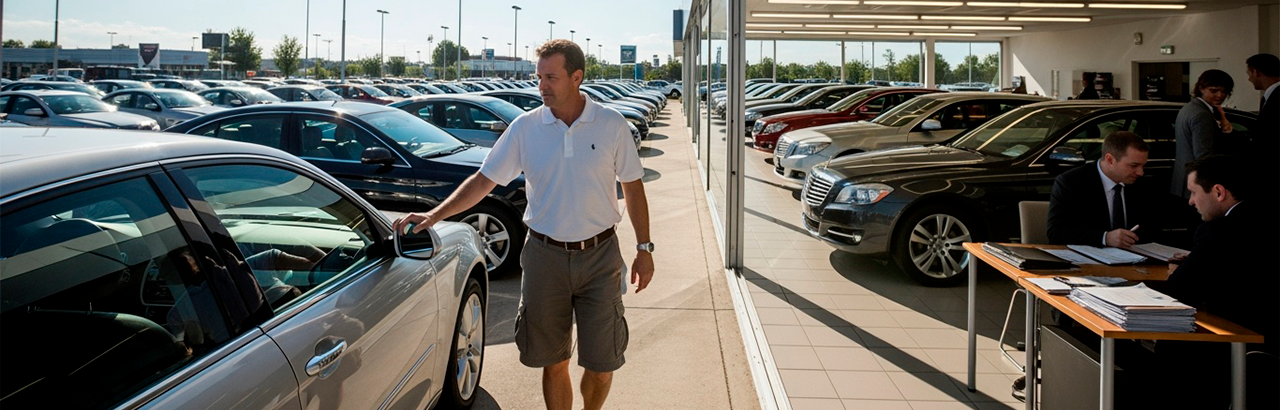
Buying a used car is one of the biggest financial decisions most people make. Ask the wrong questions — or none at all — and you could end up with a vehicle that nickels-and-dimes you for years. Ask the right questions, and you walk away with a solid car, a fair price, and total confidence. This guide was put together with Central Ohio drivers in mind, because shopping for a used vehicle near Columbus has its own unique set of needs: icy winters, pothole season, highway commutes, and a wide range of lifestyles from Hilliard subdivisions to Short North apartments. As the nation’s largest used car dealer and a family-owned Central Ohio institution since July 4, 1953, Ricart Used Car Factory brings over 70 years of expertise, rigorous multi-point inspections, and transparent live market pricing to every vehicle purchase — making them uniquely qualified to share what questions actually matter when you’re shopping for a used car.
Key Takeaways (TL; DR)
- Always pull a vehicle history report before committing to any used car
- Ask specifically about prior accidents, number of owners, and service records
- Test drives matter — and Columbus traffic patterns are your best testing ground
- Match your vehicle to local weather needs: Ohio winters demand more than most buyers plan for
- Understand total cost, not just sticker price — fees, taxes, and financing add up fast
- Confirm title status and any outstanding liens before signing anything
- Get pre-approved for financing before you walk onto any lot
- A pre-purchase inspection by an independent mechanic can save you thousands
What Should I Know About the Vehicle’s History?
The vehicle’s past tells you almost everything you need to know about its future. Before you spend serious time on a car, ask for a full vehicle history report from a trusted source like CARFAX.
How Many Owners Has This Car Had?
Fewer owners generally means less unknown wear. A one- or two-owner vehicle with consistent service records is usually a much safer bet than a car that has changed hands four times in five years.
Was the Car in Any Accidents?
Ask directly — and verify with the history report. Minor fender-benders may not be a dealbreaker. Frame damage absolutely can be. If a car was in a significant collision, ask whether it was professionally repaired and if structural components were replaced.
Where Was the Car Primarily Driven?
This one matters a lot for Columbus buyers. A car that spent most of its life on rural two-lane roads in southeastern Ohio is going to look very different under the hood than one that crawled through downtown traffic near I-670 or sat in airport parking near John Glenn Columbus International Airport for years. High-mileage highway driving is often easier on a car than city stop-and-go.
Does the Vehicle Have a Clean Title?
A clean title means no major issues like salvage, flood damage, or lemon law buyback status. Ask this question early. Check with the Ohio BMV if you want to verify title status directly.
How Do I Evaluate the Condition and Maintenance of a Used Car?
A car’s condition right now tells you how it was treated. You want documentation, not just a seller’s word for it.
- Service Records: Ask for maintenance logs or receipts. A well-documented car shows an owner who cared.
- Oil Change History: Ask when the last oil change was done and with what type of oil. Neglected oil changes cause engine damage that compounds over time.
- Brake and Tire Condition: On Columbus roads — especially after the freeze-thaw cycle that creates brutal potholes on I-270 and US-33 every spring — tires and brakes take a real beating. Ask about current tread depth and brake pad life.
- Rust Check: Ohio road salt is hard on undercarriages. Ask if the car was regularly driven in snow and get under it if possible to look for corrosion.
- Timing Belt or Chain: If the car has a timing belt (not chain), ask when it was last replaced. This is one of the most expensive repairs to delay.
For deeper guidance on what reliability looks like across different models, Consumer Reports publishes annual reliability data that can help you understand what to expect from specific vehicle types.
Which Vehicle Type Makes the Most Sense for Columbus Roads and Ohio Weather?
Columbus sits in a zone that gets a full dose of Midwestern weather: snow and ice from December through March, freezing rain in the shoulder months, wet springs, and humid summers. Your vehicle needs to handle all of it.
What Vehicle Works Best for Central Ohio Winters?
All-wheel drive (AWD) or four-wheel drive (4WD) crossovers and SUVs are popular for good reason here. If you commute via I-71 between Columbus and the northern suburbs, or travel regularly to areas like Newark or Chillicothe on US-62 or US-23, slick roads are a real annual reality. A compact SUV or AWD crossover gives you better stability on snow and ice without sacrificing fuel economy.
That said, a good set of winter tires on a front-wheel drive vehicle can perform surprisingly well. Ask about the tires currently on any vehicle you’re considering and factor in the cost of replacing them.
What About Summer Heat and Everyday Commuting?
Columbus summers get hot and humid. Make sure the A/C works properly on any vehicle you test. Air conditioning compressor repairs are expensive, and it is very easy to miss a weak system during a cool-day test drive.
For daily commuters running the I-270 outerbelt or heading into Polaris or Easton from the suburbs, fuel efficiency matters. A hybrid SUV or a fuel-efficient midsize sedan can make a noticeable difference in your monthly budget over a higher-displacement pickup if you are not regularly hauling cargo.
What If I Have a Family or Need Extra Space?
Families living in Hilliard, Groveport, Dublin, or Pickerington who need space for kids, gear, or weekend trips to Hocking Hills or Cedar Point should look closely at three-row crossovers and minivans. These body styles offer real-world practicality for Ohio family life without the fuel cost of a full-size truck.
What Should I Pay Attention to During the Test Drive?
Yes, you should always test drive. No exceptions.
- Cold Start: Start the engine cold if possible. Strange noises at startup can signal oil pressure or engine issues that disappear once the car warms up.
- Highway Behavior: Take it on a road that mimics your commute. If you drive I-71 every day, get the car above 60 mph. Listen for vibration, shimmy, or pulling.
- Braking: Find a safe place to brake firmly. The car should stop straight without pulling to one side.
- Steering Feel: Any looseness, grinding, or unusual resistance is worth noting.
- Acceleration and Transmission: Both should feel smooth. Hesitation, slipping, or clunking when shifting are red flags.
- Interior Electronics: Test every button — A/C, heat, windows, infotainment, backup camera. These repairs add up fast and are often not covered on basic warranties.
Columbus’s varied road surfaces are actually useful here. The older pavement on some stretches of High Street or surface roads near OSU campus will reveal suspension noise that a smooth highway test drive might hide.
How Do Price, Fees, and Financing Actually Work?
The sticker price is just the starting point. Understanding what you will actually pay is essential.
What Fees Should I Expect on Top of the Sticker Price?
Ohio buyers should expect to pay sales tax, a title fee, and a documentation (doc) fee. These vary by dealer. Ask for a full out-the-door price quote in writing before you agree to anything. The Kelley Blue Book pricing tool is a helpful way to check whether the asking price aligns with current market value.
Should I Get Pre-Approved for Financing Before Shopping?
Yes. Always. Getting pre-approved through your bank or credit union before you shop gives you real buying power and a benchmark interest rate. It also helps you spot when a dealer’s financing offer is competitive versus when it is not.
What Should I Watch for in a Finance Contract?
- Interest Rate: Even a small difference in APR over a 60- or 72-month loan adds up significantly.
- Add-On Products: Extended warranties, paint protection, and gap insurance may be offered. Decide in advance which are genuinely useful for your situation.
- Loan Term: Longer terms lower your payment but increase total interest paid. Run the math on the full cost, not just the monthly.
The Better Business Bureau is a useful resource for checking dealer reputation before you visit, and for understanding what consumer protections you have if something goes wrong.
What Should I Confirm Before I Sign Anything?
This is the final checkpoint. Do not skip it.
- Title Is Clean and Ready: Confirm the dealer can transfer a clear title to your name without delay.
- No Outstanding Recalls: Check the NHTSA website to see if the vehicle has any open safety recalls. Some can be fixed for free by a dealer; others may affect safety significantly.
- Return or Exchange Policy: Ask if any exchange or return window exists. This protects you if you discover a serious issue immediately after purchase.
- All Promises Are in Writing: If a dealer verbally agrees to fix something before delivery, get it documented in the purchase agreement. Verbal commitments are very difficult to enforce after the fact.
- Insurance Is Active Before You Drive: Ohio requires minimum liability coverage before you can legally drive. Confirm your policy is active and covers the new vehicle before you leave the lot.
Frequently Asked Questions (FAQs)
What is the most important thing to check when buying a used car?
A vehicle history report is the single most important document to review before purchasing a used car. It reveals accident history, ownership records, and title status in one place.
Is it worth getting a pre-purchase inspection on a used car?
Yes — an independent mechanic can spot issues that are not visible during a regular walk-around or test drive. The cost is usually between $100 and $200 and can save you from a much larger repair bill down the road.
How do I know if a used car price is fair?
Compare the asking price against current market data from tools like Kelley Blue Book or Edmunds for similar year, make, model, and mileage in the Columbus area. Prices vary by local demand and trim level, so regional comparisons matter.
What should I ask about a used car’s warranty?
Ask whether any remaining factory warranty transfers with the vehicle and whether the dealer offers any certified pre-owned or limited warranty coverage. Understand exactly what is and is not covered before you rely on it.
About Ricart Used Car Factory
Ricart Used Car Factory is a family-owned business that has served the Central Ohio community since its founding on July 4, 1953, making it one of the longest-standing automotive resources in the region. The dealership has grown to become the number one top-volume (single site) used car dealer in the entire country, offering an unmatched selection of used and certified pre-owned vehicles across its Columbus-area locations. Every vehicle in the Ricart Used Car Factory inventory undergoes a rigorous multi-point inspection by certified technicians, and the dealership backs its sales with transparent live market pricing and a 72-hour exchange policy. Beyond vehicle sales, Ricart Used Car Factory is deeply committed to giving back to the community it serves, focusing its charitable efforts on family, veterans, and education throughout Central Ohio. Shoppers can learn more about the dealership’s history, values, and inventory at ricartused.com.
Connect with us


